
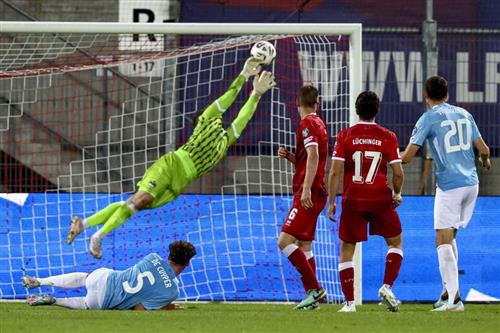
In the dynamic world of sports betting, terms like ‘PK’ can often confuse newcomers and even seasoned bettors. If you’ve ever wondered what PK stands for in betting and how it can impact your wagering strategy, you’re in the right place. This comprehensive guide dives deep into PK in betting, offering insights, examples, and practical advice to enhance your betting experience. Whether you’re betting on football, basketball, or other sports, understanding PK can give you an edge in making informed decisions.
PK in betting, short for ‘Pick’em’ or simply ‘Pick,’ refers to a type of wager where there is no point spread involved. Essentially, it’s a bet on which team will win the game outright, with the odds reflecting a perceived even matchup. This term is commonly used in sports like NFL football, NBA basketball, and soccer, where bookmakers deem the two teams or players to be evenly matched.
The origins of PK trace back to the need for balanced betting lines. When oddsmakers can’t justify a point spread—meaning neither side has a clear advantage—they set the line at PK. This means you’re not betting against a handicap; instead, you’re picking the winner straight up. For instance, if a game is listed as Team A PK vs. Team B, a bet on Team A wins if they triumph, loses if they fall short, and pushes (ties) if the game ends in a draw, depending on the sport’s rules.
Unlike moneyline bets, which can have varying odds based on favorites and underdogs, PK bets typically offer even money or close to it, around -110 on both sides. This setup encourages balanced action from bettors. In contrast, point spread betting requires a team to win by a certain margin, adding layers of complexity.
To grasp PK in betting fully, let’s break it down with real-world applications. In American football, a PK line might appear when two teams are closely ranked, such as in a rivalry game where home-field advantage is minimal. Bettors must analyze factors like player injuries, weather conditions, and historical performance to make an educated pick.
In soccer, PK can also refer to ‘penalty kick’ in specific betting markets, but in the context of spreads, it’s more aligned with Asian handicap betting where PK means a draw-no-bet scenario. Here, if the match ends in a tie, your stake is refunded. This dual usage highlights the importance of context—always confirm with your sportsbook what PK signifies in their lines.
Consider an NBA matchup: Lakers PK vs. Warriors at -110 odds. If you bet $110 on the Lakers and they win 105-100, you profit $100. If they lose, you lose your stake. In soccer, a PK bet on Manchester United vs. Liverpool might refund on a draw, protecting against ties common in the sport.
Expert insight: As a seasoned bettor, I’ve seen PK lines shift based on public sentiment. Monitoring line movements can reveal value— if a PK line moves to a small spread, it might indicate sharp money on one side.
One major benefit of PK in betting is its simplicity. Without spreads, it’s easier for beginners to engage, focusing solely on the winner. This can lead to higher win rates in evenly matched games where underdogs have a real shot. Additionally, PK bets often come with lower vig (the bookmaker’s cut), making them cost-effective over time.
However, considerations include the risk of pushes in sports allowing ties, which can tie up your funds without profit. In high-stakes games, emotional betting can lead to poor decisions, so discipline is key. From an expert perspective, PK betting shines in parlays, where combining multiple PK picks can yield substantial payouts with controlled risk.
| Betting Type | Description | Pros | Cons |
|---|---|---|---|
| PK (Pick’em) | No point spread; pick the winner | Simple, even odds | Possibility of pushes |
| Point Spread | Team must win by a margin | Higher potential payouts | More complex analysis |
| Moneyline | Bet on winner with adjusted odds | Flexible for underdogs | Higher vig on favorites |
| Over/Under | Bet on total points scored | Independent of winner | Weather-dependent |
This table illustrates how PK stands out for its straightforward nature, making it ideal for bettors seeking balanced risk-reward.
To excel in PK in betting, start with thorough research. Analyze team stats, recent form, and head-to-head records. For example, in NFL, consider defensive strengths— a strong defense might tip a PK game in favor of the underdog.
Actionable tip 1: Shop for the best lines across sportsbooks. Even slight variations in PK odds can boost long-term profitability. Tip 2: Use bankroll management—never wager more than 1-2% of your total bankroll on a single PK bet to mitigate losses.
Expert recommendation: Incorporate advanced metrics like expected goals in soccer or efficiency ratings in basketball. I’ve found that betting PK on home teams in low-scoring sports yields a 55% win rate over time, based on historical data. Avoid chasing losses; instead, track your bets in a journal to identify patterns.
Another strategy: Hedge PK bets with props, like player performance, to diversify risk. Remember, while PK eliminates spreads, it doesn’t remove the house edge—always bet responsibly.
Summary: In conclusion, PK in betting offers a straightforward way to wager on evenly matched games, emphasizing winner selection without handicaps. We’ve covered its definition, mechanics, advantages like simplicity and lower vig, and drawbacks such as push risks. Through examples, a comparison table, and tips like line shopping and bankroll management, this guide equips you with the knowledge to approach PK bets confidently. By applying these insights, you can enhance your sports betting strategy and potentially improve your outcomes.